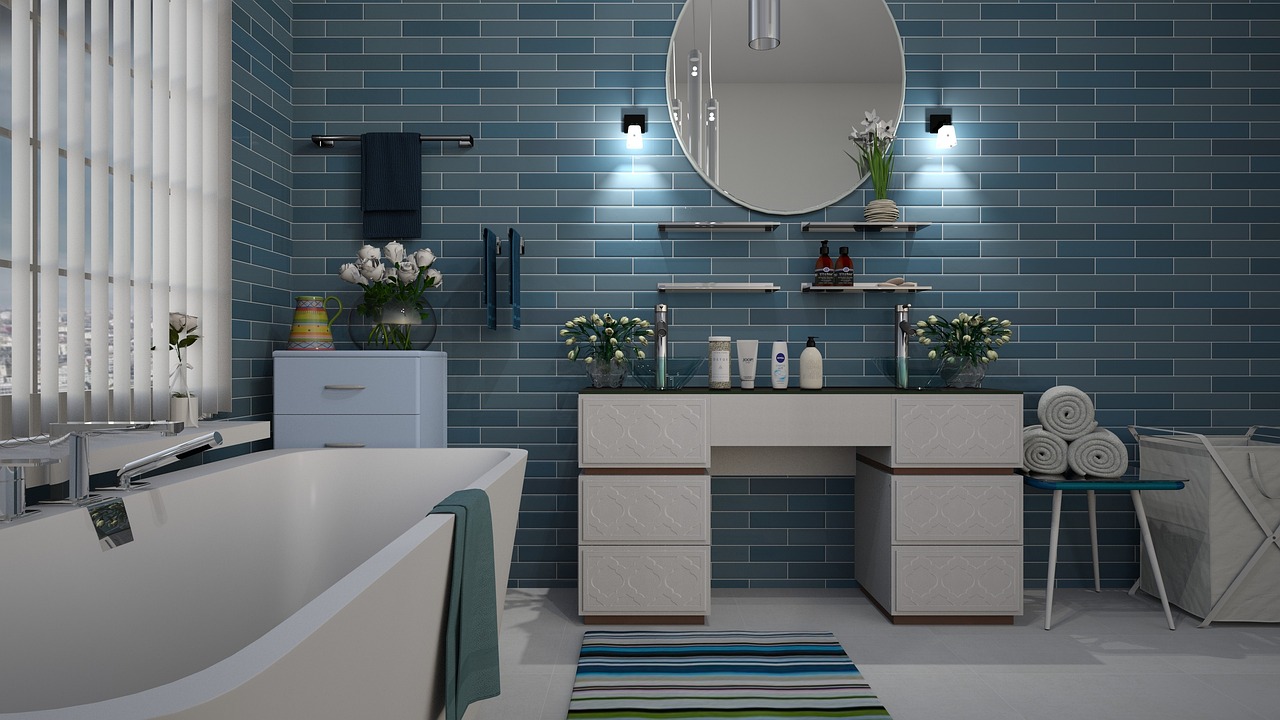
Bathtub installation in Stockton, CA replaces a worn, cracked, chipped or uncomfortable tub with a new one, along with the surround and fixtures that go with it. It’s for Stockton homeowners with fiberglass tubs that flex, enamel tubs that have chipped and rusted, or a tub that’s simply too shallow or too dated for the bathroom they want. We take out the old tub, fix any damage underneath, install the new one and finish the walls around it. The result is a solid, watertight tub that suits the room.
What a Bathtub Installation Includes
- Removing the old tub and surround, cutting heavy tubs apart when needed.
- Inspecting and repairing the subfloor and framing.
- New drain hardware, and usually a new mixing valve while the wall is open.
- Bedding the tub so it sits level with solid support under its whole base.
- Building the surround, with tile or solid panels over a waterproof backing.
- Installing fixtures, such as a tub spout, shower head and handheld shower.
When a Tub Should Be Replaced
- Cracks, chips or rust in the tub surface.
- A floor that flexes under a fiberglass tub.
- Leaks at the drain or along the tub edge.
- A tub too shallow for real soaking.
- A high wall that has become hard to step over.
- An outdated color that clashes with a remodel.
Why Tubs Fail
Fiberglass tubs that weren’t bedded properly flex with every use, and eventually they crack. Steel and cast-iron tubs chip, and once the enamel is breached, rust follows. Caulk and drain seals dry out over the years, letting water seep into the floor. In older Stockton homes, original tubs may have been refinished several times and are at the end of their life. Refinishing coatings eventually peel, especially around the drain and where water sits, and once that happens the surface is hard to keep clean.
Tub Options
- Alcove tubs, which fit between three walls and double as a shower base.
- Soaking tubs, deeper for full-body bathing.
- Walk-in tubs, with a door and seat for easier entry.
- Freestanding tubs, for larger bathrooms with room around the tub.
- Drop-in tubs, set into a tiled deck.
Tubs are mostly made from acrylic, enameled steel or cast iron. Acrylic is light and warm to the touch, steel is affordable but chips more easily, and cast iron is very durable and holds heat but is extremely heavy.
The Installation, Step by Step
- Visit and measure the tub space, doorways and plumbing.
- Choose the tub, surround and fixtures.
- Pull permits if the scope calls for them.
- Remove the old tub and repair any damage found.
- Set the new tub on proper support and connect the drain.
- Waterproof and finish the surround, then install fixtures.
- Seal, clean up and review the finished work with you.
What Affects Bathtub Installation Cost
- Tub type and material.
- The surround, tile or solid panels.
- Removal of the old tub, especially heavy cast iron.
- Plumbing changes, including a new valve or drain location.
- Repairs to framing or subfloor.
- Access to the bathroom.
We give you a firm quote after a free visit.
If a family member needs easier access, mention it early. A walk-in tub, a lower-profile tub or grab-bar blocking may change which tub fits best and how the surround is built.
Replace the Tub or Switch to a Shower?
If your household rarely takes baths and there’s another tub in the home, a shower remodel that converts the tub space may serve you better. If you have kids, enjoy baths or want to keep a tub for resale, a new tub is the right call. To finish the room, consider vanity installation at the same time.
The Risk of Putting It Off
Each bath or shower over a cracked tub or failing drain seal sends a little more water into the wood beneath it. The longer it continues, the more flooring, drywall and framing need replacing. Acting early keeps the project focused on the tub itself.
Related services in Stockton